
Home Blog

Infrastructure & Transport: Driving Intra-African Trade

0
Infrastructure and transport remain the backbone of Africa’s economic transformation.
As the African Continental Free Trade Area (AfCFTA) advances, the demand for efficient
ports, railways, and logistics corridors has never been higher.
Investment in these sectors is critical for reducing trade costs, improving connectivity,
and unlocking regional growth.

Ports as Gateways to Global Trade

Africa’s ports handle over 90% of the continent’s trade volume, yet capacity constraints,
congestion, and outdated facilities remain major challenges.
Recent investments include the expansion of Lamu Port in Kenya,
Tema Port in Ghana, and Durban Port upgrades in South Africa.
These projects are designed to improve container throughput, streamline customs clearance,
and enhance global competitiveness.

Railways Linking Regions

Rail infrastructure is experiencing a revival, with projects aimed at connecting landlocked
countries to coastal ports. Examples include:

  • Standard Gauge Railway (SGR) in East Africa – linking Mombasa to Nairobi and potentially to Uganda.
  • Lagos–Ibadan Railway in Nigeria – improving cargo transport efficiency.
  • North-South Corridor upgrades – facilitating movement from Durban through Zambia to the DRC.

Railway investments reduce road congestion and provide sustainable, cost-effective logistics
solutions for bulk commodities such as minerals and agricultural products.

Logistics & Trade Corridors

Efficient logistics is central to AfCFTA’s success. Corridors like the
Abidjan–Lagos Highway and the Central Corridor (Tanzania–Burundi–Rwanda–DRC)
are attracting international financing. These initiatives aim to cut transport times, improve
supply chain resilience, and foster regional value chains.

Private sector players are also investing in inland container depots, bonded warehouses,
and digital freight platforms
, aligning African logistics with global standards.

Opportunities & Challenges for Investors

Opportunities:

  • Long-term concessions in ports and railways.
  • PPPs (Public–Private Partnerships) supported by multilateral development banks.
  • Growth in e-commerce driving demand for logistics hubs.

Challenges:

  • Regulatory fragmentation across borders.
  • Infrastructure financing gaps estimated at USD 100 billion annually.
  • Political and operational risks in certain regions.

Conclusion

Investment in Africa’s ports, railways, and logistics is more than an infrastructure agenda—it is
a trade and competitiveness agenda. With AfCFTA creating the largest free trade zone in the world,
modern transport systems will determine how effectively African businesses can scale, integrate, and compete globally.
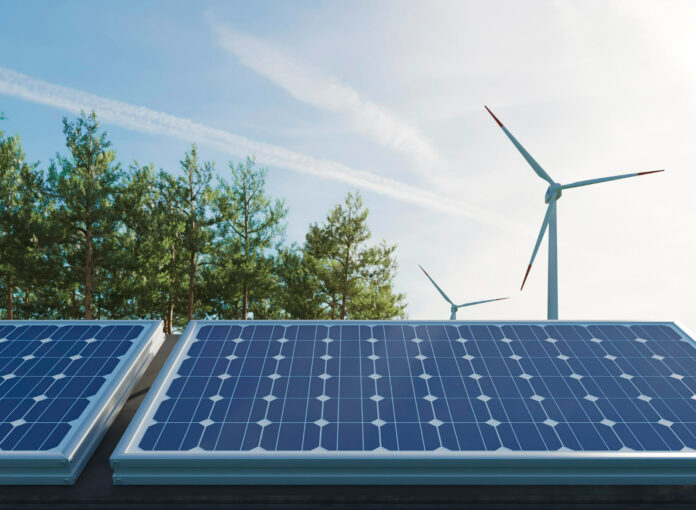

Renewable Energy Investments in Africa: Solar & Wind Powered by Global Capital

0
Over the past few years, Africa has seen a sharp rise in renewable energy investments,
particularly in solar and wind, driven by declining technology costs,
growing demand for electricity access, and supportive international finance.
International donors, development banks, and private investors are playing a vital role in unlocking this potential.

Key Trends & Recent Projects

1. Surge in Solar Investments & Clean Energy Financing

Africa’s renewable energy investment skyrocketed from about USD 2.6 billion in 2021
to nearly USD 40 billion in 2024, largely due to solar power projects, both utility-scale and distributed.
Solar PV is now the lowest cost source of new power capacity in many African countries,
helping to attract private capital even into previously under-served and risky regions.
🔗 Source: IEA

2. Innovative Financing Models & Support Structures

Blended finance structures are increasingly common, combining commercial, development, and concessional capital
to reduce risk and improve bankability. For example, in Zambia private PPAs and risk sharing enabled projects to move forward without full sovereign guarantees.
UNEP’s Seed Capital Assistance Facility (SCAF) has also supported dozens of early-stage renewable energy projects.
🔗 Source: UNEP

3. Notable Projects Making an Impact

Ituka Solar Power Station, Uganda – a 24 MW solar plant (~53 GWh annual output), developed by AMEA Power with donor-linked finance and PPAs.
🔗 Read more

Impofu Wind Power Farms Complex, South Africa – ≈ 330 MW under construction, showcasing international developer involvement and advanced transmission infrastructure.
🔗 Read more

Challenges & Strategic Considerations

Despite rapid growth, development finance has shrunk in some regions, limiting concessional capital to de-risk early projects.
Grid capacity, regulatory delays, and lack of standardized PPAs remain obstacles.
For solar and wind projects to succeed, clear policy frameworks and protections for investors are essential.

Implications for Investors & Corporates

  • Entities with expertise in blended finance and development bank partnerships gain a competitive edge.
  • Underserved markets (mini-grids, off-grid solar) offer high social impact and regulatory support.
  • ESG and sustainability criteria are now non-negotiables in securing international funding.

Conclusion

Africa stands at a critical inflection point: with massive solar irradiance, abundant wind potential,
and rising demand for electricity, the continent is ripe for a renewable energy boom.
The investments underway today reflect both opportunity and urgency—to expand access,
fulfill climate commitments, and build energy systems that are resilient, clean, and inclusive.

Key Investment Trends in Africa

0

Expansion of Industrial Platforms & Infrastructure

One of the most significant developments has been the
$700 million capital raise by ARISE IIP, a pan-African industrial zone developer,
with backing from Saudi Arabia’s Vision Invest.
This deal reflects growing investor interest in industrial infrastructure as Africa seeks to deepen supply chains and boost export capacity.

Digital Infrastructure Takes Center Stage

The World Bank’s IFC committed $100 million to Raxio Group
for data centres in Ethiopia, Angola, Ivory Coast, Mozambique, DRC, and Uganda.
This investment enhances connectivity while addressing regulatory, cybersecurity, and latency challenges across multiple jurisdictions.

Strategic Portfolio Moves & Exits

Nedbank sold its 21.2% stake in Ecobank for $100 million to Bosquet Investments.
This move reflects a shift in investor strategy, influenced by regulatory pressures and changing market dynamics in West and Central Africa.

🔗
Read more on Reuters

The Rise of Climate Investment & Local-Led Solutions

At the Africa Climate Summit in Addis Ababa, leaders emphasized the transition from
climate aid to climate investment.
The focus is now on Africa-led climate solutions and sustainable infrastructure development.

Conclusion

Africa’s investment landscape in 2025 is defined by
resilient infrastructure, digital transformation, strategic exits, and sustainability-led growth.
Companies and investors who combine local insight with global execution capabilities
are best positioned to unlock long-term value.